Delving into Open a Business in the UK as an Expat: Step-by-Step Process, this introduction immerses readers in a unique and compelling narrative, with elegant maluku style that is both engaging and thought-provoking from the very first sentence.
Embark on a journey to discover the intricate process of establishing a business in the UK as an expat, navigating through the legal requirements, financial challenges, and operational intricacies with finesse and expertise.
Researching Business Opportunities in the UK
Researching business opportunities in the UK as an expat can be an exciting journey filled with potential for growth and success. It is essential to explore the types of businesses that are popular among expats in the UK, understand the market trends and demands, and weigh the pros and cons of starting a business in the UK compared to other countries.
Types of Businesses Popular Among Expats in the UK
- Food and Beverage: Restaurants, cafes, and specialty food stores catering to diverse cultural tastes.
- Consulting Services: Providing expertise in various fields such as finance, IT, and marketing.
- Education and Training: Language schools, tutoring services, and skill development programs.
Market Trends and Demands in the UK
Understanding the market trends and demands in the UK is crucial for identifying potential business ideas that align with consumer needs. Some key trends include:
- The rise of eco-friendly and sustainable businesses.
- Increasing demand for online services and e-commerce platforms.
- Growth in the health and wellness sector, including fitness studios and organic products.
Pros and Cons of Starting a Business as an Expat in the UK vs. Other Countries
| Pros | Cons |
|---|---|
| Access to a diverse and multicultural market. | Higher cost of living and business expenses in the UK. |
| Established legal and financial systems for business operations. | Complex visa and residency requirements for expat entrepreneurs. |
| Networking opportunities and support for startups. | Intense competition in saturated markets. |
Legal Requirements and Regulations: Open A Business In The UK As An Expat: Step-by-Step Process
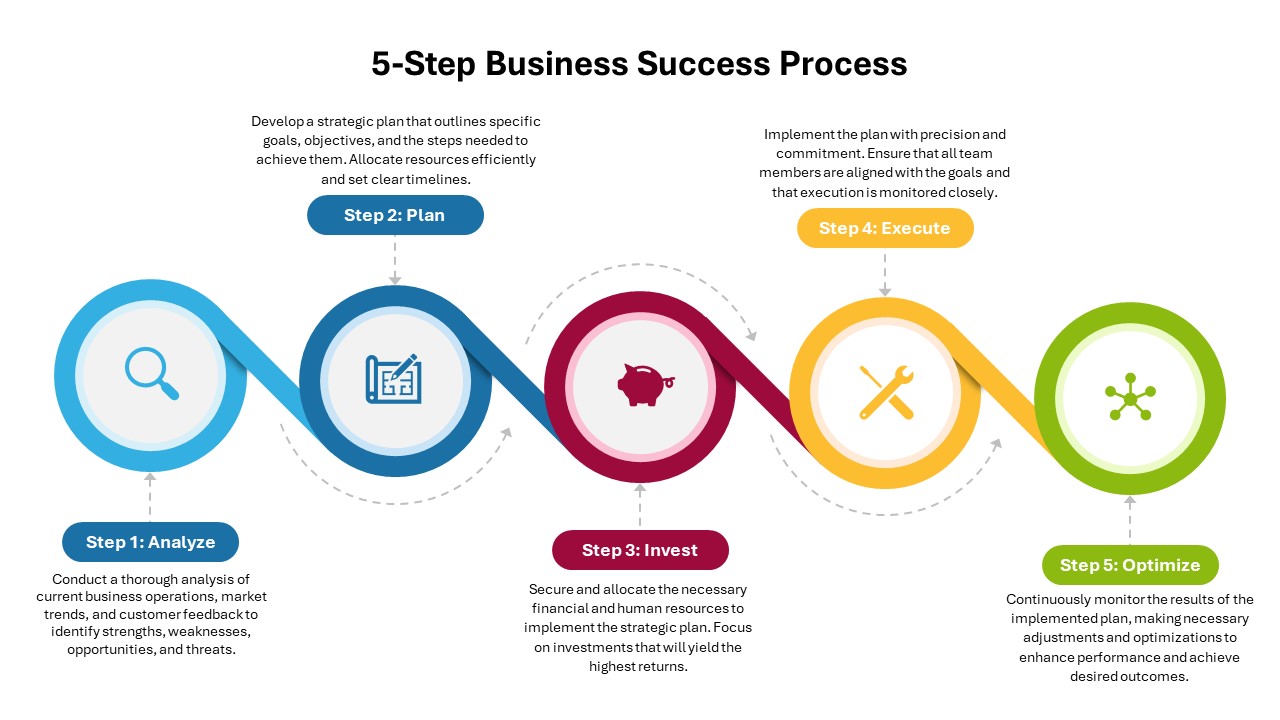
As you embark on the journey of opening a business in the UK as an expat, it is crucial to understand the legal requirements and regulations that govern this process. By following the step-by-step process and ensuring compliance with the necessary permits and licenses, you can establish a successful business in the UK.
Registering a Business in the UK as an Expat
To register a business in the UK as an expat, you will need to follow several key steps:
Choose a business structure
Decide whether you want to operate as a sole trader, partnership, or limited company.
Name your business
Select a unique and memorable name for your business.
Register your business
Submit the necessary paperwork and fees to Companies House.
Obtain necessary permits and licenses
Depending on the nature of your business, you may need specific permits and licenses to operate legally in the UK.
Set up a business bank account
Separate your personal and business finances by opening a dedicated business bank account.
Legal Requirements for Permits and Licenses, Open a Business in the UK as an Expat: Step-by-Step Process
When opening a business in the UK as an expat, it is essential to understand the legal requirements for obtaining the necessary permits and licenses. Some common permits and licenses that expats may need include:
Business license
Required for most types of businesses to operate legally in the UK.
Work visa
If you are not a UK or EU citizen, you will need a valid work visa to work and run a business in the UK.
Health and safety permits
Depending on your business activities, you may need specific health and safety permits to ensure compliance with regulations.
Food hygiene certificate
If your business involves handling or selling food, you will need a food hygiene certificate to meet health and safety standards.
Regulations and Compliance Standards
As an expat opening a business in the UK, it is essential to adhere to regulations and compliance standards to avoid legal issues. Some key regulations and compliance standards to consider include:
Tax regulations
Ensure you understand and comply with UK tax laws to avoid penalties or fines.
Employment laws
Familiarize yourself with UK employment laws to protect your employees and comply with legal requirements.
Data protection regulations
Safeguard customer data and comply with data protection regulations to maintain trust with your clients.
Environmental regulations
Consider environmental impact and comply with regulations to minimize your business’s carbon footprint.
Financing Your Business Venture
Starting a business as an expat in the UK can be an exciting but challenging journey. One of the key aspects to consider is how to finance your business venture. Here, we will explore different financing options available, provide tips on securing funding or loans, and discuss potential challenges expats might face in this process.
Different Financing Options
- Self-funding: Using your personal savings or assets to finance your business can give you full control and ownership.
- Bank loans: Traditional bank loans are a common way to secure financing, but they may require a solid business plan and collateral.
- Angel investors: These individuals provide capital in exchange for ownership equity or convertible debt, offering mentorship and expertise.
- Venture capital: VC firms invest in early-stage companies with high growth potential, but they often require a significant stake in the business.
Tips for Securing Funding
- Develop a detailed business plan: A well-thought-out business plan can attract investors and lenders by showcasing your vision and strategy.
- Build a strong network: Networking with other entrepreneurs, investors, and industry professionals can lead to potential funding opportunities.
- Showcase your expertise: Highlight your experience and skills to instill confidence in investors about your ability to successfully run the business.
- Consider alternative financing options: Crowdfunding, grants, and government schemes can also provide funding for your business.
Challenges Faced by Expat Entrepreneurs
- Credit history: Expats may have limited or no credit history in the UK, making it difficult to qualify for traditional loans.
- Visa restrictions: Some funding options may have restrictions based on your visa status, limiting your access to certain financing sources.
- Legal and regulatory differences: Navigating the UK’s financial regulations and compliance requirements as an expat can be complex and time-consuming.
Setting Up Operations and Infrastructure
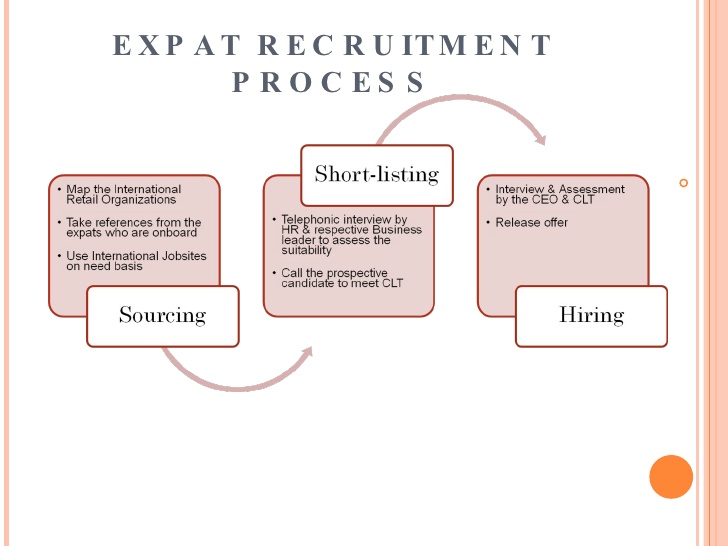
Starting a business in the UK as an expat involves careful planning and consideration when it comes to setting up operations and infrastructure. This step is crucial for the success and sustainability of your venture in a new country.
Physical Location and Facilities
When setting up operations in the UK, one of the first decisions you’ll need to make is choosing a physical location for your business. Consider factors such as proximity to your target market, accessibility, and cost when selecting the right premises.
Whether you opt for a traditional office space, co-working facility, or even a virtual office, ensure that it aligns with your business needs and budget.
Infrastructure Requirements
Infrastructure plays a vital role in the smooth running of your business operations. Make sure to invest in reliable internet connectivity, phone systems, and IT support to ensure seamless communication and data management. Additionally, consider the need for utilities like electricity, water, and heating to support your day-to-day operations effectively.
Sourcing Suppliers and Services
As an expat entrepreneur in the UK, establishing relationships with reliable suppliers and service providers is key to maintaining a successful business. Research and network to find reputable suppliers for your products or materials. Consider outsourcing non-core functions such as accounting, legal services, or marketing to reputable professionals who can help streamline your operations.
Operational Needs
Identify and prioritize your operational needs to ensure the efficient functioning of your business. This may include setting up inventory management systems, implementing quality control measures, or training your staff effectively. By addressing these needs early on, you can create a strong operational foundation for your business in the UK.
Conclusion

As we conclude our exploration of opening a business in the UK as an expat, remember that diligence and determination are key. With the right guidance and understanding of the process, your entrepreneurial dreams can flourish in the vibrant landscape of the UK business market.
FAQ Section
What are the popular types of businesses among expats in the UK?
Popular business choices among expats in the UK include consultancy services, import/export businesses, and tech startups due to their growth potential and market demand.
What are the main legal requirements for expats to start a business in the UK?
Expats need to register their business with Companies House, obtain necessary permits and licenses, and comply with UK tax laws and regulations to operate legally.
How can expats secure funding for their business in the UK?
Expats can explore options like bank loans, venture capital, crowdfunding, or angel investors to secure funding for their business ventures in the UK.
